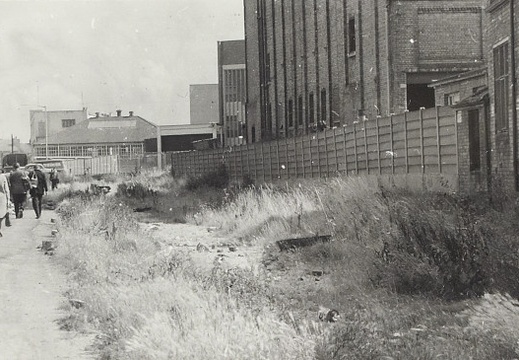
Image credit: Courtesy of National Waterways Archive, Canal & River Trust. Summer 1964, Swindon, Whale bridge looking west.
Image credit: Courtesy of National Waterways Archive, Canal & River Trust. Summer 1964, Swindon, Whale bridge looking east.
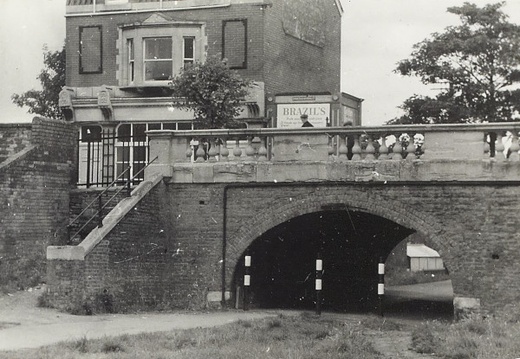
Image credit: Courtesy of National Waterways Archive, Canal & River Trust. Summer 1964, Swindon, Milton/ Commercial Road bridge looking north east.
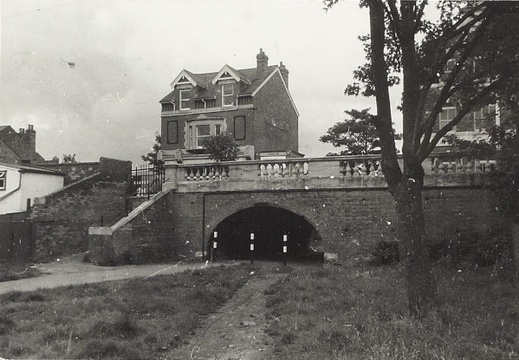
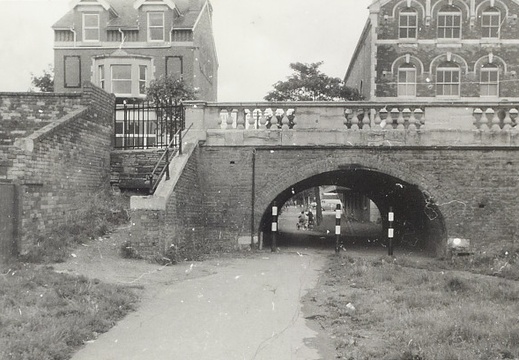
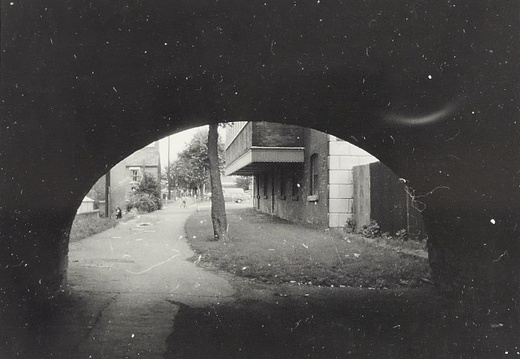
Image credit: Courtesy of National Waterways Archive, Canal & River Trust. Summer 1964, Swindon, Milton/ Commercial Road bridge looking south west.
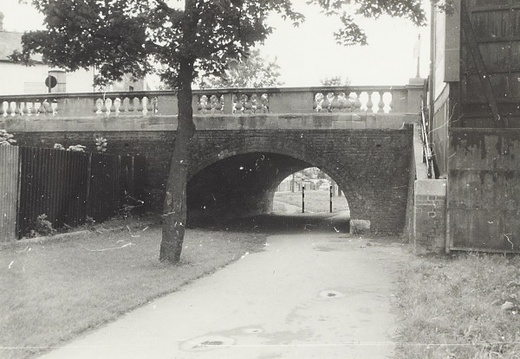
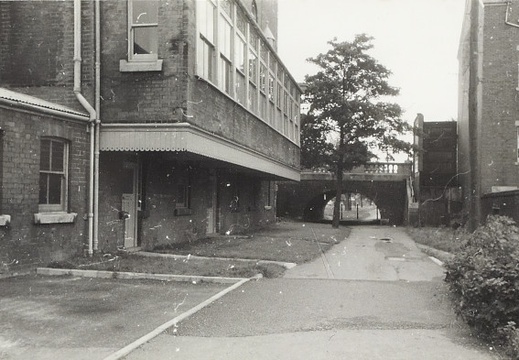
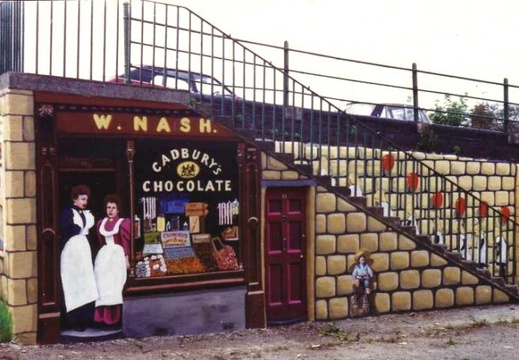
Image credit & Artist: Ken White, c1979
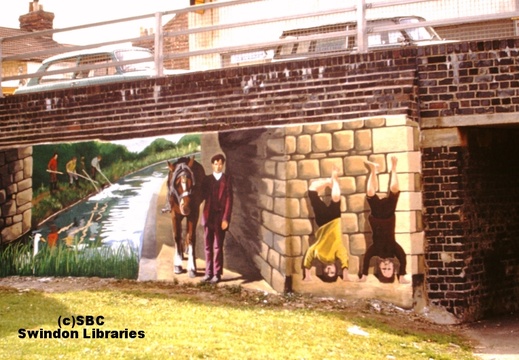
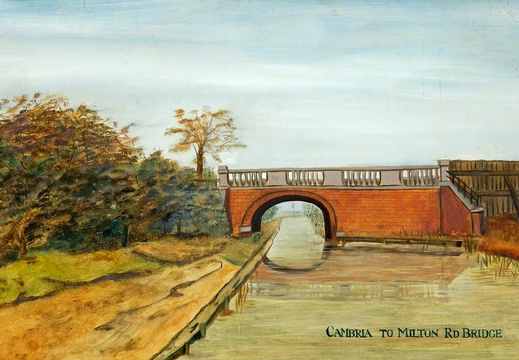
Cambia Road Bridge Mural
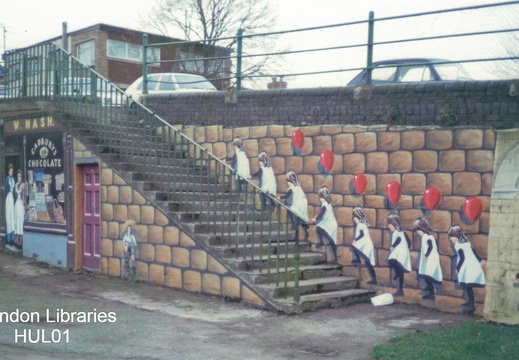
Image credit: Local Studies, Swindon Central Library. Artist: Ken White, c1979
Cambia Road Bridge Mural
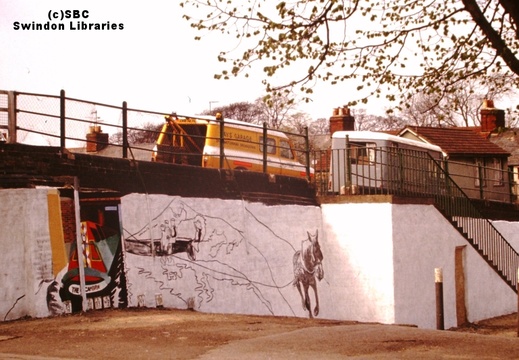
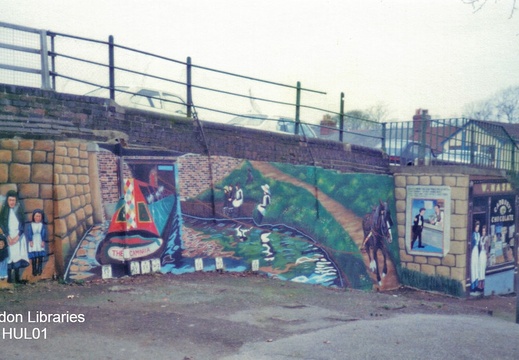
Image credit & Artist: Ken White
Commercial/ Milton Road Bridge
Image credit: Local Studies, Swindon Central Library. c1913, Drove Road Bridge
Image credit: Britain from Above (1946)
Middle right, line of the North Wilts canal
Image credit: Britain from Above (1946)
Middle bottom to top middle, line of the North Wilts canal
Image credit: Britain from Above (1947)
Middle right, junction W&B and North Wilts canals
Image credit: Britain from Above (1954)
Middle right, tunnel of the North Wilts canal
Image credit: Britain from Above or Historic England
1920, Bottom right hand corner, follow canal into the town centre, Kingshill bridge, Marlborough St bridge, Cambria bridge, Commercial Rd bridge
Image credit: Britain from Above (1920) or Historic England
Middle of photo, looking left to right, Lockhouse, Lock 1 with bridge, Lock 2 & Lock 3
Image credit: Britain from Above (1920) or Historic England
Left of photo, looking left to right, Lock 2, Lock 1 with bridge & Lockhouse
Image credit: Britain from Above (1938)
Centre slightly up & left is the junction of the W&B and North Wilts canals, to the right Queensfield/ Wellington Street bridge and Whale bridge
Image credit: Britain from Above (1938)
Bullens bridge, Canal bridge/ Sheppards street underpass, Wholesome Barrel, Old Locomotive Inn
Image credit: Britain from Above (1938)
Middle right, junction W&B and North Wilts canals and more
Image credit: Britain from Above (1938)
Whale bridge, Work street bridge, Swindon Wharf, Drove road bridge
Image credit: D & M Ball.
Falcon Inn
A rear entrance to the Falcon Inn gave direct access to the canal towpath
One of the longest serving early landlords at the Falcon was Robert Wattleworth, a former railway labourer, who was originally from the Isle of Man.
Falcon Inn
A rear entrance to the Falcon Inn gave direct access to the canal towpath
One of the longest serving early landlords at the Falcon was Robert Wattleworth, a former railway labourer, who was originally from the Isle of Man.
Image credit: Local Studies, Swindon Central Library.
Falcon Terrace
Falcon Terrace
60
20. Acorn Bridge (fm), S Marston SU 208874
Visited:- 13.5.61
Access:- A 420
Photograph Nos:-
Observations:- (by communication) present group of buildings date from 1877; no canal purpose. Saw some WBCC boundary stones preserved in garden. Canal line visible, but width reduced by infill for houses etc.. There was a stone edged wharf, now covered, and pub kept by Rix(?) who had cows, and transported milk by boat. Some reference to legal transactions with land when canal was abandoned: all original buildings pulled down с1877(?).
60 20. Acorn Bridge (fm), S Marston SU 208874 Visited:- 13.5.61 Access:- A 420 Photograph Nos:- Observations:- (by communication) present group of buildings date from 1877; no canal purpose. Saw some WBCC boundary stones preserved in garden. Canal line visible, but width reduced by infill for houses etc.. There was a stone edged wharf, now covered, and pub kept by Rix(?) who had cows, and transported milk by boat. Some reference to legal transactions with land when canal was abandoned: all original buildings pulled down с1877(?).
Swindon Wharf, SU159849
Visited: 19.6.60; 3.6.61.
Access: A420.
Photograph Nos: -
Observations: line W. from (4) ends abruptly in filling for ‘roundabout’ foundation. Wharf bldgs. &c, demolished some time ago, and Boro’ Fire Stn. erected on the site. Line W. surfaced FP on TP side. Wharf building dem. about 1956. There was large ho. “Fairholme” beside Whf, (?Wharfinger’s), dem. 1936 for Steel’s Garage site. Whf. abt. 200’ long, and cocoa factory nearby – 1/2560 O.S. Sht XV. 4 of 1886. (letter from Boro. Eng. 27.6.61).
Swindon Wharf, SU159849 Visited: 19.6.60; 3.6.61. Access: A420. Photograph Nos: - Observations: line W. from (4) ends abruptly in filling for ‘roundabout’ foundation. Wharf bldgs. &c, demolished some time ago, and Boro’ Fire Stn. erected on the site. Line W. surfaced FP on TP side. Wharf building dem. about 1956. There was large ho. “Fairholme” beside Whf, (?Wharfinger’s), dem. 1936 for Steel’s Garage site. Whf. abt. 200’ long, and cocoa factory nearby – 1/2560 O.S. Sht XV. 4 of 1886. (letter from Boro. Eng. 27.6.61).
73
From Wharf, line is well-defined space between walled buildings; abt. 50’ wide w. made-up T.P. as right-of-way: to
6. York Rd. Bridge [P. 240, 373, 374].* line narrows to pass beneath; a simple plate girder + underdeck, on wing walls and abutments of ‘railway’ brick, w. steps from TP 2 sides to road levels. (3.6.61) Demolition in progress. Steelwork gone & abutment walls being broken down. Rubble foundation centre of approach embanking thus visible. (see p.72).
Line from here abt. 30 yd. rubbish, then becomes:
7. Fleming Way [P 290; 375] *. A metalled road w. pavements & lighting (Garrard factory), abt. 500 yd. long; entered by road from either Newcastle St. or end of Medgbury Rd.; W. end terminates (3.6.61) in line of posts, barring traffic; where line again becomes rough grassed space,
73 From Wharf, line is well-defined space between walled buildings; abt. 50’ wide w. made-up T.P. as right-of-way: to 6. York Rd. Bridge [P. 240, 373, 374].* line narrows to pass beneath; a simple plate girder + underdeck, on wing walls and abutments of ‘railway’ brick, w. steps from TP 2 sides to road levels. (3.6.61) Demolition in progress. Steelwork gone & abutment walls being broken down. Rubble foundation centre of approach embanking thus visible. (see p.72). Line from here abt. 30 yd. rubbish, then becomes: 7. Fleming Way [P 290; 375] *. A metalled road w. pavements & lighting (Garrard factory), abt. 500 yd. long; entered by road from either Newcastle St. or end of Medgbury Rd.; W. end terminates (3.6.61) in line of posts, barring traffic; where line again becomes rough grassed space,
78
18a. Occupation Crossing, SU133827.
18. Wroughton Wharf, SU129823
Visited (18a) 30.8.62. (18) 14.9.59
Access from lane to W. Leaze.
Photograph Nos. 229: 516. Observations: FP as per map no longer exists, line E of crossing fairly open: some growth to W, but line tending to merge into field. Crossing was originally Brick Br., but blown up by R.E. during war (for practice). Crossing now filled solid, but still a distinct rise.
(18) Wharf Ho. was farm, and O. buildings mod. & converted to fm. uses, line quite distinct w. open space where goods loaded. House not v. typical, & suspect re-building. [18a poss. now obliterated by M4].
78 18a. Occupation Crossing, SU133827. 18. Wroughton Wharf, SU129823 Visited (18a) 30.8.62. (18) 14.9.59 Access from lane to W. Leaze. Photograph Nos. 229: 516. Observations: FP as per map no longer exists, line E of crossing fairly open: some growth to W, but line tending to merge into field. Crossing was originally Brick Br., but blown up by R.E. during war (for practice). Crossing now filled solid, but still a distinct rise. (18) Wharf Ho. was farm, and O. buildings mod. & converted to fm. uses, line quite distinct w. open space where goods loaded. House not v. typical, & suspect re-building. [18a poss. now obliterated by M4].
85
6. Buildings. No buildings known to have had direct connection w. canal remain in Swindon. There are various contemporary style (early 19th Cent) cottages & houses along the canal line in the town, but these are unlikely to remain for long. Wharf Houses at Wroughton & Hay Lane (the latter a v.g. example of the early 19th Cent). Lock cottage at Chaddington.
7. Remarks. (none).
85 6. Buildings. No buildings known to have had direct connection w. canal remain in Swindon. There are various contemporary style (early 19th Cent) cottages & houses along the canal line in the town, but these are unlikely to remain for long. Wharf Houses at Wroughton & Hay Lane (the latter a v.g. example of the early 19th Cent). Lock cottage at Chaddington. 7. Remarks. (none).
105
Rd; at latter point a distinct hump probably representing site of old Br.; Line seems to disappear under site of largest gasholder (there was a lock here), w. no trace whatever of locks/cottages which once existed in vicinity. At some point further S (before reaching Rly) line merges into the “Cycle Track” – a made-up paved path running between boundary walls of Rly Works - & continues to Station Rd (S/don), Crossing Stn. Rd., line site is occupied by a fenced-in builder’s storage yard (J Webb), with FP alongside, for abt. 150 yd, then crosses Fleet St. and via Car Park Entrance to Junction (now Car Park site). [* (27.8.62: Rems. of M/don top lock found, inside P.Sta. gate to S; Bot. Lk. Site just inside gates (see Sk.Map page 108)
site of bottom lock just inside gates at A. Small hedged enclosure at B may have been lock cottage site. No trace to be seen. Top lock is filled w. earth, &c, and a hard track runs on S line; but parapet of E wall just left visible & some masonry]
105 Rd; at latter point a distinct hump probably representing site of old Br.; Line seems to disappear under site of largest gasholder (there was a lock here), w. no trace whatever of locks/cottages which once existed in vicinity. At some point further S (before reaching Rly) line merges into the “Cycle Track” – a made-up paved path running between boundary walls of Rly Works - & continues to Station Rd (S/don), Crossing Stn. Rd., line site is occupied by a fenced-in builder’s storage yard (J Webb), with FP alongside, for abt. 150 yd, then crosses Fleet St. and via Car Park Entrance to Junction (now Car Park site). [* (27.8.62: Rems. of M/don top lock found, inside P.Sta. gate to S; Bot. Lk. Site just inside gates (see Sk.Map page 108) site of bottom lock just inside gates at A. Small hedged enclosure at B may have been lock cottage site. No trace to be seen. Top lock is filled w. earth, &c, and a hard track runs on S line; but parapet of E wall just left visible & some masonry]
Image credit: Local Studies, Swindon Central Library. c1913, Standing on John St bridge looking north west
Image credit: Local Studies, Swindon Central Library. c1913, Regent Street Bridge
Image credit: Local Studies, Swindon Central Library. Cetus Buildings, Medgbury Road just before the building was demolished in 1962
Image credit: Local Studies, Swindon Central Library
1957, Golden Lion statue on ground level
Image credit: WBCT Facebook
1908, Golden Lion statue on top of the building on the left
Image credit: Local Studies, Swindon Central Library. 1904, Golden Lion/ Regent Street Bridge
Credit: The Swindon Society, c1957, Golden Lion statue on ground level
Image credit: WBCT Facebook
Note the Golden Lion statue on the roof
Credit: The Swindon Society, c1877, Raised footbridge, another footbridge was added between 1898 and 1904
Credit: The Swindon Society. c1877, Raised footbridge, another footbridge was added between 1898 and 1904
Image to Video
Image to Video
Image credit & Artist: Ken White
Golden Lion/ Regent Street Bridge
Image credit: Museum & Art Swindon. Between 1877-1898, a second pedestrian footbridge was added in 1898
Image credit & Artist: Ken White
Golden Lion/ Regent Street Bridge. Mural on Medgbury Road painted 1976, repainted by Ken in 1983 and then again in 2009
Image credit: Local Studies, Swindon Central Library. 1904, Golden Lion/ Regent Street Bridge
Image to Video
Image to Video
Image credit & Artist: Ken White
Golden Lion/ Regent Street Bridge. Mural on Medgbury Road painted 1976, repainted by Ken in 1983 and then again in 2009
Image credit & Artist: Ken White
Golden Lion/ Regent Street Bridge. Mural on Medgbury Road painted 1976, repainted by Ken in 1983 and then again in 2009
Image credit: Local Studies, Swindon Central Library. 1904, Golden Lion/ Regent Street Bridge
John Ferris - Marston Lock-keeper. Drawing from The Pall Mall magazine article from 1893 by Reginald Blunt, artist "Tim".
Image credit: Local Studies, Swindon Central Library. c1913, Standing on Regent St bridge looking south east
Image to Video
Image to Video
Image credit: Local Studies, Swindon Central Library. Photographer: © William Hooper. c1913
Standing on Regent St bridge looking south east, zoomed in
Image credit: Local Studies, Swindon Central Library. Artist: Samuel Loxton. c1900, John St bridge seen from the junction, artist had his back to Queenstown bridge
Image credit: Swindon Museum and Art Gallery/ Art UK. Artist: J. Hood. No date.
John St bridge seen from the junction, artist had his back to Queenstown bridge.
Image credit: Swindon Museum and Art Gallery/ Art UK. Artist: J. Hood. No date.
John St bridge seen from the junction, artist had his back to Queenstown bridge.
Image credit: Local Studies, Swindon Central Library. 1910, Kingshill Bridge
Image credit: Local Studies, Swindon Central Library.1910, Kingshill Bridge
Image credit: Local Studies, Swindon Central Library. 1910, Kingshill Bridge
Image credit: Local Studies, Swindon Central Library. c1950, Location of former Kingshill Bridge
Image credit: Local Studies, Swindon Central Library. 1910, Kingshill Bridge
Image credit: Local Studies, Swindon Central Library. Date unknown, Kingshill towpath, by the dam
Image credit: Local Studies, Swindon Central Library. 1953, Man with a stick. Rear of Cetus building in the background
Image credit: Local Studies, Swindon Central Library. 1914, Marlborough Street/ Joseph Street Footbridge
Data credit: Historic England
1986, Grade II listed structure, Marsh Farm Bridge, Image credit Jess Laker
Data credit: Historic England
1986, Grade II listed structure, Milestone, 26 miles to Semington, Image credit Martin Newman
Data credit: Historic England
1986, Grade II listed building, Moredon Aqueduct over the river Ray, Image credit Ben Ellwood
Image credit: Local Studies, Swindon Central Library. c1914, North Wilts canal junction
Image credit: Local Studies, Swindon Central Library. Cetus Buildings, Medgbury Road drawing 1, just before the building was demolished in 1962
Image credit: Local Studies, Swindon Central Library. Cetus Buildings, Medgbury Road drawing 2, just before the building was demolished in 1962
Image credit: Local Studies, Swindon Central Library. Cetus Buildings, Medgbury Road drawing 3, just before the building was demolished in 1962
Image credit: Local Studies, Swindon Central Library. Cetus Buildings, Medgbury Road drawing 4, just before the building was demolished in 1962
Image credit: Swindon Museum and Art Gallery/ Art UK. 1885, Artist: G. Puckey
Image credit: Local Studies, Swindon Central Library. c1905, Wellington Street Bridge, looking west
Image credit: Local Studies, Swindon Central Library. c1906, "As it might be" - Regent Street Canal and Promenade
Image credit & Artist: Ken White
Golden Lion/ Regent Street Bridge
Image credit: Local Studies, Swindon Central Library. c1905, Rick fire at Dunsford/ Swindon Wharf
Image credit: Swindon Museum and Art Gallery/ Art UK. Artist: G. Puckey. 1880
Rodbourne/ Telford road bridge & lock #4
Image credit: Local Studies, Swindon Central Library. c1913, Rodbourne/ Telford Road Bridge Looking East
Image credit: The Swindon Society. Between 1893-1904, Skurray's Flour Mill, looking east from Whale bridge
Image credit: Richard Draper/ Art UK.
Wilts and Berks was a narrow gauge canal 52 miles long with 42 locks
Image credit: Richard Draper/ Art UK.
Wilts and Berks was a narrow gauge canal 52 miles long with 42 locks
Image credit: Richard Draper/ Art UK.
Robert and William Whitworth were the engineers for the Wilts & Berks Canal
Image credit: Richard Draper/ Art UK.
Robert and William Whitworth were the engineers for the Wilts & Berks Canal
Image credit: Richard Draper/ Art UK.
Cargo on the Wilts & Berks was mainly coal and Bath stone from Somerset
Image credit: Richard Draper/ Art UK.
Cargo on the Wilts & Berks was mainly coal and Bath stone from Somerset
Image credit: Richard Draper/ Art UK.
Opened in 1810, Wilts and Berks Canal was then abandoned in 1914
Image credit: Richard Draper/ Art UK.
Opened in 1810, Wilts and Berks Canal was then abandoned in 1914
Image credit: Richard Draper/ Art UK.
The Canal linked Semington (Kennet & Avon Canal) to Abingdon (R Thames)
Image credit: Richard Draper/ Art UK.
The Canal linked Semington (Kennet & Avon Canal) to Abingdon (R Thames)
Image credit: Richard Draper/ Art UK.
Nearby was the junction with the North Wilts Canal to Cricklade
Image credit: Richard Draper/ Art UK.
Nearby was the junction with the North Wilts Canal to Cricklade
Image credit: Richard Draper/ Art UK.
Golden Lion Bridge (lift & footbridge) was adjacent to this spot
Image credit: Richard Draper/ Art UK.
Canal Walk looking West
Image credit: Richard Draper/ Art UK.
Canal Walk looking West
Image credit: Richard Draper/ Art UK.
Canal Walk looking East
Image credit: Richard Draper/ Art UK.
Canal Walk looking East
Data credit: Historic England
1979, Grade II listed building, Lock Keepers cottage, South Marston, Image credit Google Earth
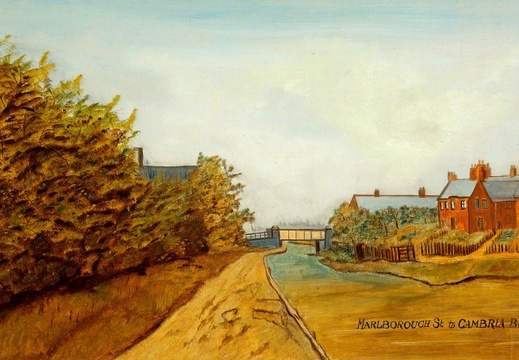
Image credit: Swindon Museum and Art Gallery/ Art UK. Artist: J. Hood. assumed 1910.